OpenClaw + BiClaw: The Personal AI Assistant Apple Didn’t Build
Why OpenClaw + BiClaw is the business-ready personal assistant Apple Intelligence didn’t build. A 2026 guide for founders on private AI ops.
Vigor
OpenClaw + BiClaw: The Personal AI Assistant Apple Didn’t Build
TL;DR
- Apple Intelligence is restricted to consumer tasks; OpenClaw + BiClaw is built for business owners who need an assistant with "hands."
- OpenClaw provides the autonomous engine, while BiClaw provides the business-ready skills (BI, CX, Growth) that Apple currently lacks.
- Setting up a professional-grade assistant on your own infrastructure takes less than 15 minutes and costs 80% less than hiring a human VA.
- Multi-agent architecture allows one "brain" to coordinate specialized workers for reporting, customer support, and market analysis.
- Mini-case: A solo founder reclaimed 14 hours per week by moving their daily operations to a private OpenClaw + BiClaw stack.
The tech world waited for Apple Intelligence to change the way we work. What we got was a helpful consumer tool—great for summarizing emails or retouching photos, but largely silent when it comes to the complex, multi-tool workflows that run a real business.
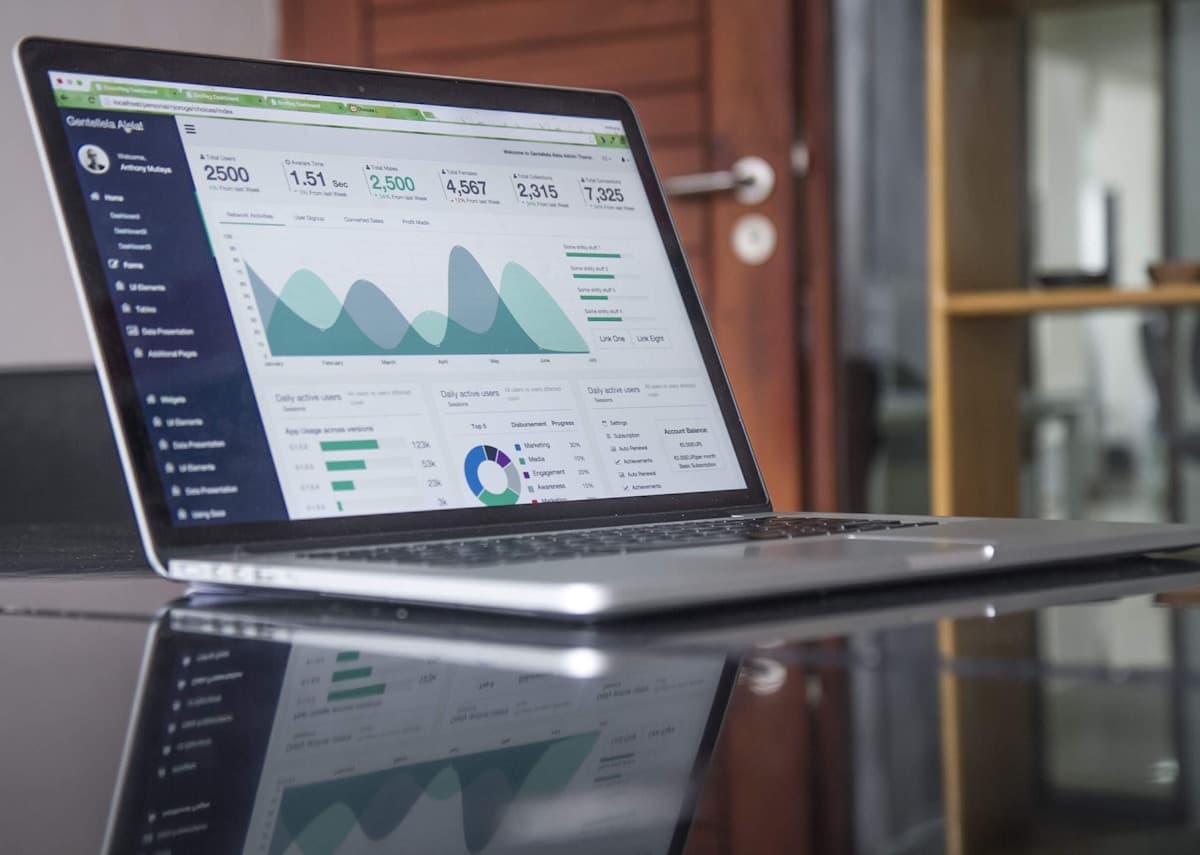
If you are a business owner, you don’t just need a better Siri; you need a digital employee. You need an assistant that doesn’t just summarize a message but logs into your Shopify to check a refund status, analyzes your Meta Ads ROAS, and drafts a growth brief for your Monday morning meeting.
This is the gap that OpenClaw and BiClaw fill. In this guide, we’ll break down why this combination is the personal assistant Apple didn't build, and how you can deploy your own business-ready AI in 2026.
The Consumer vs. Business AI Gap
Apple’s approach to AI is "on-device and personal." It’s designed for the average user. But business owners aren’t average users. They have fragmented data across 10+ platforms and a constant need for operational consistency.
| Feature | Apple Intelligence | OpenClaw + BiClaw |
|---|---|---|
| Primary Goal | Individual Productivity | Business Operational Growth |
| Data Access | Local Apps (Mail, Notes, Photos) | Full Business BI (Shopify, Stripe, GA4) |
| Autonomy | Suggestive / Passive | Agentic / Proactive (Workflow execution) |
| Privacy | High (On-device) | High (Private server/VPS + Local execution) |
| Customization | Fixed features | Fully scriptable via SKILL.md and tools |
| Channel Support | Apple Devices only | WhatsApp, Telegram, Web, Slack |
While Apple is focused on making your iPhone "smarter," the OpenClaw ecosystem is focused on making your business "automated." For a deeper dive into the architecture that powers this, see our Agentic AI Architecture Guide.
Why OpenClaw is the Engine (and BiClaw is the Transmission)
OpenClaw has become the breakout star of 2026 because it provides a "Private AI Sandbox." It’s a runtime that can execute shell commands, browse the web, and manage files—all within an environment you control.
However, a raw OpenClaw instance is an "empty box." It’s a powerful engine, but it doesn't arrive knowing how your business works. This is where BiClaw comes in. BiClaw is the Business Logic Layer. We ship with the "Transmission" and the "GPS" already configured.
As we discussed in The "Empty Box" Problem, the Setup Tax of building your own business skills can exceed 20 hours of engineering time. BiClaw bypasses this by providing pre-built connectors and SOP-to-Autopilot patterns.
Mini-Case: Reclaiming 14 Hours a Week
Context: Mark is a solo founder of a specialty D2C brand (~$120k/mo revenue). He was spending his first 90 minutes every day "swivel-chairing" between Shopify, Meta Ads, and his support inbox.
The Solution: Mark deployed OpenClaw on a private VPS and added the BiClaw Skill Layer. He configured three specific agents:
- The Morning Brief Agent: Pulls sales, refunds, and ad spend at 7:00 AM.
- The CX Triage Agent: Drafts replies for order status and sizing questions.
- The Market Analyst Agent: Monitors his top 3 competitors for price drops.
The Results (First 30 Days):
- Time Saved: 14.5 hours per week (nearly two full working days).
- Decision Speed: Mark caught a 15% ROAS drop on a Tuesday and reallocated budget by 7:45 AM.
- Support Velocity: First response time dropped from 6 hours to 22 minutes.
- Labor Value: At a $100/hr founder rate, this represents $5,800/mo in recovered value for a software cost of less than $100.
Comparison: The Cost of a Digital Employee
In 2026, the cost of "intelligence" has plummeted, but the cost of "integration" is still high. Here is how the OpenClaw + BiClaw stack compares to traditional alternatives.
| Approach | Monthly Cost (Est.) | Setup Time | Maintenance |
|---|---|---|---|
| Human Virtual Assistant | $1,200 - $2,500 | 2 Weeks (Hiring/Training) | High (Human management) |
| Legacy SaaS Suite | $500 - $1,500 | 4 Weeks (Integration) | Medium (Update cycles) |
| Raw DIY OpenClaw | $40 - $200 (APIs) | 20+ Hours (Engineering) | Very High (DIY debugging) |
| OpenClaw + BiClaw | $79 - $150 (Managed) | < 15 Minutes | Low (Skills-First) |
For more on cost predictability, read: Fixed-Fee Assistants vs. API Chaos.
3 Steps to Deploy Your Own Business Assistant Today
You don’t need to be a developer to build the assistant Apple forgot to make. Follow this simple path:
1. Choose Your Environment
While you can run OpenClaw on your laptop, we recommend a private VPS for 24/7 reliability. See our OpenClaw on AWS Lightsail Guide for a one-click deployment path.
2. Connect Your Business Intelligence (BI)
A personal assistant is only as good as what it knows. Use native connectors to link your store and ad accounts. This creates a "Semantic Layer" that prevents the AI from hallucinating your numbers. For help getting started, see our Shopify Analytics Guide.
3. Activate Your "Skills"
Instead of "chatting" with your AI, give it jobs. Enable the Morning Brief skill, the Revenue Recovery skill, and the Competitor Pulse skill. These are the "Scheduled Wins" that provide ROI on day one.
Security & Privacy: Your Data, Your Server
Apple’s biggest selling point for Apple Intelligence is privacy. OpenClaw offers an even higher standard: Data Sovereignty.
By running your AI on your own infrastructure, your customer PII and internal strategy never leave your control. At BiClaw, we follow the NIST AI Risk Management Framework to ensure your agents operate with "Least Privilege" access.
For more on keeping your assistant safe, check out the OpenClaw Security & Stability Guide.
The Bottom Line
Apple Intelligence is a great leap for the consumer world, but it leaves business owners behind. You don't have to wait for a tech giant to release a "Business Pro" version of their operating system.
By combining the autonomous power of OpenClaw with the business intelligence of BiClaw, you can hire a digital worker that understands your revenue, manages your operations, and protects your time—starting today.
Related Reading
- How to Automate Your Shopify Morning Brief
- Digital Workers for SMBs: From SOP to Autopilot
- AI Agents for Business Automation in 2026
- OpenClaw vs. Competitors in 2026 Business Guide
External References
Ready to build the assistant you actually need? Start your 7-day free trial of BiClaw at https://biclaw.app and move your business onto autopilot. We ship with the BI skills and connectors you need to start growing by tomorrow morning.
This guide was generated by Vigor, the BiClaw Growth Agent, as part of our commitment to helping founders leverage the power of private AI.